Best Way to Clean Shower Doors with Soap Scum: Complete Guide (2026)


Things to Know Before You Buy
- Soap scum is soap residue bonded with hard water minerals, so plain soap and water rarely removes it once it dries.
- An acidic cleaner, whether vinegar or a dedicated soap scum remover, breaks the mineral bond that plain water can't touch.
- A squeegee pass after every shower is the single habit that prevents most soap scum from forming in the first place.
- Abrasive pads and scouring powder scratch glass and acrylic doors, giving future scum more surface to grip.
- A water-repellent finishing treatment extends the time between deep cleans by helping water and soap slide off instead of drying on the glass.
The best way to clean shower doors with soap scum pairs an acidic cleaner formulated for mineral and soap buildup with a quick squeegee pass after every shower. Vinegar and citric acid break down the calcium and magnesium bonds that trap dried soap on glass, while a squeegee keeps new residue from drying in the first place. Skip either step and the film comes back within a week, no matter how hard you scrub.
Soap scum forms because the fatty acids in soap react with calcium and magnesium in hard water, creating an insoluble film that plain water alone can't rinse away. Add in body oil and shampoo residue and that film builds into a gray, slightly waxy layer within days on any surface that doesn't fully dry between showers. Frameless glass doors show this faster than framed ones or shower curtains, mainly because there's more exposed glass and no fabric barrier soaking up the splashes.
Most soap scum problems fall into one of two categories: routine film that a weekly wipe keeps in check, or set-in buildup that needs a dedicated hard water remover and a few minutes of dwell time. Getting the category right before you buy a cleaner saves both money and scrubbing. For maintenance and heavier buildup alike, Rain-X's shower spray and water-repellent treatment, paired with Uncle Todd's hard water remover for tougher spots, cover most of what a soap scum problem throws at a glass door.
What You Need to Know
Soap scum forms when the fatty acids in bar soap react with calcium and magnesium in your water supply. The reaction creates a waxy, insoluble film that clings to glass, tile, and metal fixtures far more stubbornly than the soap did on its own. Body oils and shampoo residue add to the layer, which is why scum often looks gray or slightly yellow rather than white.
Because that film is a chemical bond rather than surface dirt, plain water or a soft cloth won't budge it once it dries. This is the core reason the best way to clean shower doors with soap scum relies on acid, not elbow grease. Vinegar, citric acid, and the acids in commercial soap scum removers all work by dissolving the mineral bonds so the film lifts away instead of needing to be scraped off.
Water hardness plays a bigger role than most people expect. Homes on hard water build scum faster and thicker, and the same door in a soft-water house might go weeks longer between visible buildup. If a shower door clouds over within days of a thorough cleaning, hard water minerals are usually the bigger contributor, and a stain remover built for mineral deposits will outperform a general glass cleaner.
Frameless glass doors show scum more than framed ones simply because there's more exposed glass and no curtain absorbing splashes, so they tend to need the most consistent maintenance.
Types and Categories
Cleaners built for shower doors fall into a few broad categories, and knowing which one matches your problem saves time.
DIY acidic solutions, mainly white vinegar diluted with water or used at full strength, handle routine soap scum well and cost almost nothing. They work slowly on heavy buildup but are a reasonable first move for light film.
Commercial soap scum removers are formulated with stronger acids and surfactants than vinegar, so they cut through moderate to heavy residue faster and usually need less scrubbing. Most are safe on glass, acrylic, and fiberglass, though it's worth checking the label before using one on natural stone.
Hard water and mineral stain removers are a more targeted category aimed at calcium and lime deposits rather than soap film specifically. Reviewers who deal with visibly chalky, white buildup tend to reach for these over a general soap scum spray.
Water-repellent or rinse-off treatments don't clean existing scum. Instead, they leave a coating that makes water bead and slide off the glass, so soap and minerals have less chance to dry and bond in the first place. These work best applied to a door that's already clean.
Enzyme and citrus-based cleaners are a gentler alternative for people who want to avoid stronger acids or strong fumes. They take longer to work but are a reasonable option for daily upkeep between deeper cleans. Most routines for cleaning shower doors with soap scum end up combining two categories: a stronger remover for existing buildup and a lighter spray or repellent for maintenance in between.
How to Choose
Start with your door material before choosing a cleaner for shower doors with soap scum. Tempered glass tolerates most acidic cleaners without issue, but acrylic and fiberglass doors scratch more easily and do better with a cleaner labeled safe for plastic surfaces. Check the bottle before applying anything abrasive or strongly acidic to a fiberglass shower enclosure.
Match the product to how bad the buildup already is. A light haze that appears within a week of your last cleaning responds fine to vinegar or a mild spray. Scum that has been building for months, especially anything with a chalky white texture, calls for a dedicated hard water stain remover with a longer dwell time.
Read the ingredient list if anyone in your household has asthma or sensitivity to fumes. Some soap scum removers rely on strong acids that need ventilation, while enzyme-based options are milder but slower to work. Neither is wrong; the choice depends on how much time you're willing to spend versus how much ventilation you have.
Consider whether you want a cleaner, a repellent, or both. A cleaner removes what's already there. A repellent treatment, applied after cleaning, slows how fast new scum forms and can stretch the time between deep cleans from weekly to closer to monthly. Buying both, a cleaner for the initial job and a repellent for upkeep, tends to save time overall even though it's two products instead of one.
Price per use matters more than price per bottle. A concentrated remover that lasts through a dozen cleanings can cost less over a year than a cheaper spray you go through in a month. Check the dilution or use instructions rather than comparing sticker prices alone. Weigh scent and residue too: an unscented formula helps in a poorly ventilated bathroom, and any cleaner that leaves a filmy residue after rinsing adds to the buildup it's supposed to remove.
Common Mistakes to Avoid
A few habits explain why a shower door with soap scum looks about the same a week after you cleaned it.
Reaching for a scouring pad or melamine sponge is the most common mistake. Both abrade glass and acrylic at a microscopic level, and those scratches trap soap and minerals even faster than smooth glass did, so scum comes back worse and quicker.
Mixing cleaning products is a more serious error. Never combine a bleach-based cleaner with vinegar, ammonia, or another acidic soap scum remover. The reaction releases chlorine gas, dangerous in the small, poorly ventilated space of a shower stall. Rinse thoroughly and let one product dry before applying a different one.
Wiping off an acidic cleaner too soon is a smaller but common issue. Most soap scum and hard water removers need two to five minutes of contact time to break the mineral bonds. Spraying and immediately wiping barely touches light residue and does almost nothing to set-in buildup.
Skipping the door tracks and hardware is another gap. Scum and mildew collect in tracks, hinges, and handles as much as on the glass, and neglecting them lets residue migrate back onto a freshly cleaned door within days.
Care and Maintenance
A squeegee pass takes under a minute and does more to prevent soap scum than any cleaner applied after the fact. Run it over the glass right after your last shower of the day, working top to bottom so water doesn't have time to dry and deposit minerals.
Once a week, wipe the door down with a diluted vinegar solution or a light soap scum spray even if it doesn't look dirty yet. Catching a thin film early takes seconds; letting it accumulate for a month turns into a real scrubbing job.
Plan on a deeper treatment with a dedicated remover every four to six weeks, or sooner in a hard water household. Apply it, give it the full dwell time listed on the bottle, and rinse completely so no residue dries back onto the glass.
Clean the tracks and hardware on the same schedule as the glass. A toothbrush or narrow bottle brush reaches into corners a cloth can't, and clearing standing water there cuts down on both scum and mildew.
If you've applied a water-repellent treatment, reapply it roughly every one to three months depending on the product and how often the shower gets used. Reapplication is quick since it goes onto glass that's already clean. Keeping up with this schedule is, in practice, the best way to clean shower doors with soap scum long term: less time spent scrubbing because buildup never gets the chance to set in.
Our Top Picks
These three cleaners cover the range of soap scum problems described above, from an everyday maintenance spray to a dedicated hard water treatment.
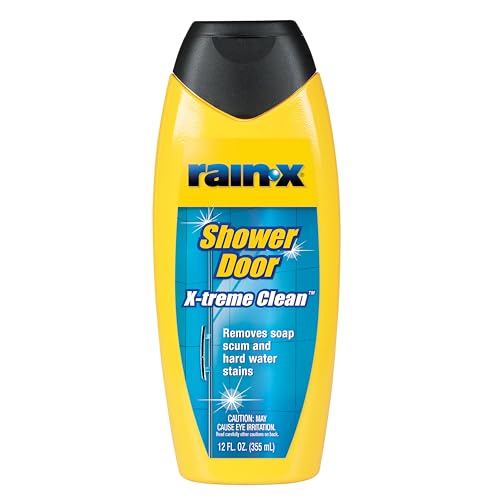
Editor's Pick
Rain-X 630035 X-Treme Clean Shower
A shower spray built for daily soap scum control, formulated for a quick spray-and-rinse routine rather than heavy scrubbing.
$9.97
Check Price on Amazon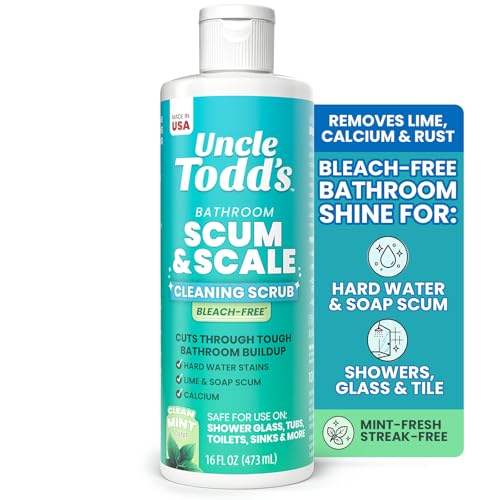
Best Value
Hard Water Stain Remover &
An affordable soap scum and hard water remover that reviewers reach for once buildup has already set into the glass, without needing a dedicated scrub brush.
$15.99
Check Price on Amazon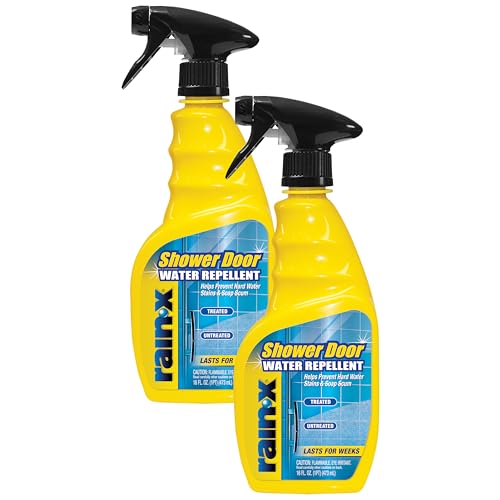
Premium Choice
Rain-X 630542 Shower Door Water
A water-repelling treatment that leaves glass beading water long after cleaning, so soap and minerals have less surface to bond to between washes.
$19.49
Check Price on AmazonFrequently Asked Questions
What is the best way to clean shower doors with soap scum?
The best way to clean shower doors with soap scum is to spray on a cleaner formulated for soap film and hard water, let it sit for two to three minutes so the acid breaks down mineral bonds, then wipe with a non-abrasive cloth and rinse. Follow up with a squeegee pass to keep the film from reforming.
Does vinegar remove soap scum from shower doors?
Plain white vinegar handles light to moderate soap scum well because its acetic acid dissolves the calcium deposits that trap soap residue. For scum that has built up over months, a dedicated soap scum and hard water remover works faster and needs less scrubbing.
How often should you clean shower doors to prevent scum?
A quick squeegee or towel wipe after every shower keeps new residue from drying onto the glass. Beyond that, a full cleaning with an acidic cleaner once a week prevents the kind of buildup that takes real effort to remove.
Can you use a magic eraser or scouring pad on glass shower doors?
Avoid melamine sponges and scouring pads on glass or acrylic shower doors. Both leave fine scratches that trap soap and minerals even faster than the untouched glass did, making future scum worse instead of better.
Why does soap scum keep coming back after I clean the shower door?
Scum returns quickly when hard water and bar soap are still part of your routine and the glass isn't dried or squeegeed after use. Switching to a liquid body wash, softening your water, or applying a rinse-off repellent coating all slow how fast the film rebuilds.
Verdict
The best way to clean shower doors with soap scum is still the simple combination of an acidic cleaner and a consistent squeegee habit. Vinegar handles routine upkeep. A dedicated hard water and soap scum remover clears buildup that has already set in, and a water-repellent finish slows how fast new film forms between cleanings. Rain-X makes two of the picks above for good reason: its shower spray tackles daily film while its water-repellent treatment extends the time between deep cleans, and together they cover most of what a soap scum problem throws at a glass door. Skip the scouring pads and keep bleach and ammonia-based cleaners separate. Let any acidic product sit for a couple of minutes before you wipe, rather than reaching straight for a brush. Do that consistently and glass that used to look permanently cloudy stays clear with a fraction of the effort you started with.