Best Product to Clean Shower Doors with Hard Water: Complete Guide (2026)


Things to Know Before You Buy
- The best product to clean shower doors with hard water is usually an acid or non-acid mineral-dissolving formula, not a generic glass cleaner.
- Paste formulas cling to vertical glass longer than sprays, which helps on stains that have set for months.
- A daily squeegee habit prevents more buildup than any single cleaner removes after the fact.
- Non-acid formulas are safer on tinted or coated glass, while stronger acid-based removers work faster on heavy scale.
- Water-repellent coatings reduce how often you need a deep clean but wear off and need reapplication every few months.
The best product to clean shower doors with hard water is a dedicated mineral-dissolving formula built to break calcium and lime deposits down at a chemical level, not a general-purpose glass cleaner pulled from under the kitchen sink.
Dozens of bottles on Amazon claim to erase mineral buildup, but the ingredients, application method, and reviewer feedback vary widely between them. We compared hard water removers, soap scum sprays, and water-repellent treatments to sort out which formulas actually dissolve calcium and lime versus which ones just mask the problem with a temporary shine.
This guide walks through the categories of hard water shower door cleaners, how to match a formula to your glass and water type, the mistakes that waste a good remover's effectiveness, and the maintenance routine that keeps mineral spots from coming back. If you just want our picks, jump to the Our Top Picks section below.
What You Need to Know
Hard water stains form when water high in calcium and magnesium evaporates off the glass and leaves mineral residue behind. Left alone, that residue bonds to the surface and eventually etches into it, which is why plain soap and a rag rarely make a dent once the buildup has had weeks to harden.
Picking the best product to clean shower doors with hard water starts with knowing how hard your water actually is. A quick test strip from a hardware store tells you whether you're dealing with mild mineral content or the kind of heavy scale that shows up as thick white crust around the door track. Households on well water or in regions with notoriously hard tap water need a stronger acid or non-acid remover, while lighter buildup often responds to a milder spray used more frequently.
Ingredient strength varies a lot between products marketed for this job. Some rely on citric or phosphoric acid to dissolve calcium fast, while non-acid formulas use different chemistry to break the mineral bond without the sharper fumes. Reviewers consistently note that the strongest acid-based cleaners cut through years-old buildup quicker, but they demand more rinsing and a fan running, since fumes build up fast in a closed bathroom. Check the label before your first use, especially if your door has a tinted, coated, or anodized metal frame, because some acidic formulas dull those finishes over time.
Types and Categories
Hard water shower door cleaners split into a few practical categories once you look past the marketing copy. Acid-based removers, often built around citric or phosphoric acid, are the most common and dissolve calcium and lime deposits at a chemical level. Non-acid formulas, like GlasWeld's ProClean, use different mineral-dissolving chemistry that skips the sharper fumes and is gentler on coated or tinted glass.
Paste-style removers apply thicker than a spray and cling to vertical glass longer, which matters on stains that have had months to set in. Uncle Todd's mint-scented paste and UNGER's commercial RubOut both fall into this group, and owners report they work well on the thick white crust that collects at the bottom of a door track.
Spray formulas, such as Rain-X's X-Treme Clean, cover a large door quickly and double as a soap scum cleaner between deeper treatments. They're a reasonable choice when your water is only moderately hard and you're keeping up with regular maintenance rather than fighting years of neglect.
A separate category, water-repellent treatments, doesn't remove existing mineral spots at all. Instead, it coats the glass so water beads and slides off before it can dry into a new stain, stretching the time between deep cleans. None of these categories replace a squeegee, which does more to prevent hard water buildup than any bottle can undo after the fact.
How to Choose
Start with your water hardness and the age of the buildup. Fresh mineral spots respond to almost any dedicated remover, but crust that has been sitting for months usually needs a stronger acid-based formula or a paste you can leave on longer. A water hardness test strip settles the water question in under a minute if you're not already on a known hard-water supply.
Check what your glass and frame can tolerate before reaching for the strongest bottle on the shelf. Frameless doors with a factory anti-fog or water-repellent coating can be damaged by aggressive acids, so read the manufacturer's care instructions first. Tinted, low-iron, or anodized-frame doors generally do better with a non-acid formula, since some acidic removers dull those finishes if left on too long.
Think honestly about how much time you want to spend cleaning. A squeegee and a mild spray used after every shower keeps hard water spots from forming in the first place, which means you can skip the strongest, priciest removers entirely. If you'd rather clean less often and accept a bigger job when you do, an acid-based remover paired with a monthly deep clean gets you there.
Ventilation matters more than most buyers expect. Acid-based and even some non-acid formulas release a sharp smell in an enclosed bathroom, so confirm you have a working fan or an openable window before buying the most aggressive option on the market. If your bathroom has limited airflow, a milder spray or a paste you can rinse quickly is the safer route.
Finally, weigh the applicator itself. A trigger spray covers a large door fast but tends to drip and pool at the base, while a paste with a dedicated pad, like GlasWeld's ProClean, gives you more control on vertical glass and around door hardware. For textured or corner-heavy frameless doors, that control usually matters more than raw speed.
Common Mistakes to Avoid
The most common mistake is scrubbing hard water deposits with an abrasive sponge or scouring pad. Rough scrubbing on glass that's starting to etch only deepens the damage, and once glass is etched, no cleaner reverses it. Stick to a soft microfiber cloth or the applicator pad the product ships with.
Mixing products is another frequent error. Combining an acid-based hard water remover with bleach or an ammonia-based glass cleaner produces toxic fumes fast in a small bathroom. Use one formula at a time and rinse the glass completely before switching to something else.
Letting the cleaner dry on the glass instead of rinsing it off defeats the purpose. Most hard water removers need a few minutes of contact time to dissolve mineral deposits, but leaving them to air-dry just adds a fresh film on top of the old one. Wipe and rinse within the window the label specifies.
Skipping a spot test trips up a lot of buyers with tinted or coated glass. Acidic formulas can dull certain finishes, and you won't find out until you've already treated the whole door. Test a small, out-of-sight corner first.
The last mistake is ignoring the squeegee entirely. Even the best hard water remover only resets the glass to zero. Without a quick squeegee pass after every shower, mineral spots start rebuilding within days.
Care and Maintenance
A squeegee pass after your last shower of the day takes under a minute and prevents most of the buildup a cleaner would otherwise have to remove later. Run it top to bottom while the glass is still wet, then towel off the bottom track so standing water doesn't sit against the seal.
Follow that with a light weekly wipe-down using a mild spray or a diluted vinegar solution, paying extra attention to corners and the door track where residue collects fastest. This step catches what a squeegee alone leaves behind, especially around hinges and handles.
Plan a deeper clean with a dedicated hard water remover every four to six weeks if you're on hard water, or every two to three months if your supply is softened. Apply the product, let it sit for the time the label recommends, then rinse thoroughly and dry the glass with a clean cloth so the rinse water itself doesn't leave new spots.
If you use a water-repellent coating, reapply it on the schedule the manufacturer lists, typically every one to three months depending on how often the shower runs. Owners report that skipping reapplication is the main reason a repellent stops working sooner than expected. Store every cleaning product upright and out of reach of kids, since several of the stronger formulas are corrosive concentrates rather than diluted sprays.
Our Top Picks
These three products cover the range most households need when hard water is the main problem: a strong all-purpose remover, a lower-cost spray for lighter buildup, and a non-acid formula for glass that can't handle stronger acids.
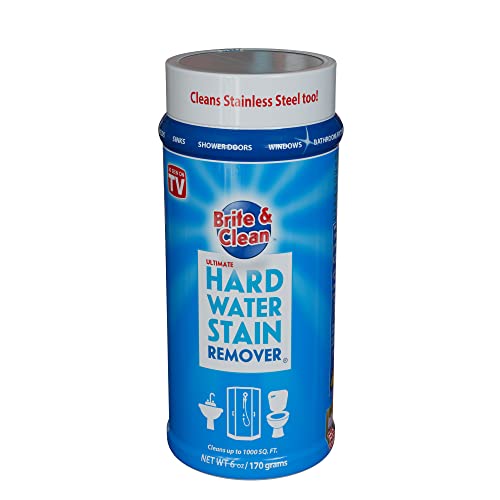
Editor’s Pick
Brite & Clean® (Bright &
The best overall pick for dissolving stubborn hard water stains without scratching glass or leaving strong fumes behind.
$16.95
Check Price on Amazon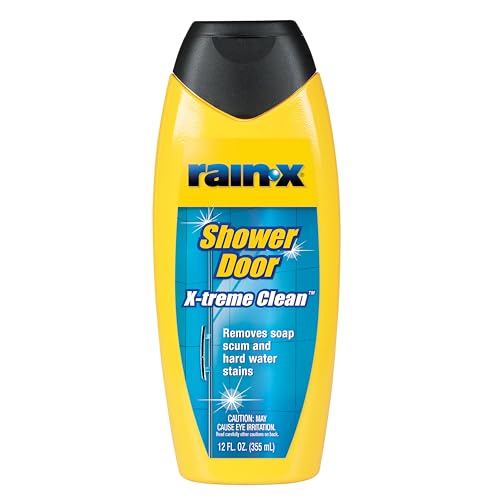
Best Value
Rain-X 630035 X-Treme Clean Shower
A budget-friendly spray that handles lighter hard water buildup and everyday soap scum in one pass.
$9.97
Check Price on Amazon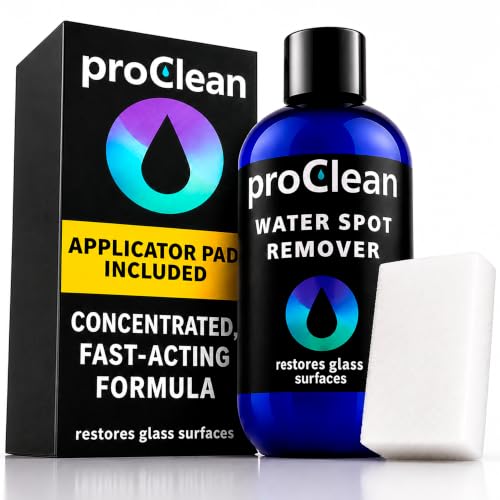
Premium Choice
GlasWeld ProClean Hard Water Stain
A non-acid formula with an applicator pad, built for heavy mineral buildup on glass that can't handle stronger acids.
$29.95
Check Price on AmazonFrequently Asked Questions
What is the best product to clean shower doors with hard water?
The best product to clean shower doors with hard water is a dedicated mineral-dissolving remover rather than a general glass cleaner, since only a formula built around citric acid, phosphoric acid, or a non-acid mineral solvent actually breaks down calcium and lime deposits. Brite & Clean's biodegradable remover handles most households' buildup without scratching glass or leaving strong fumes behind.
Do I need an acid-based cleaner for hard water stains?
Not always. Acid-based formulas cut through heavy, long-standing scale faster, but non-acid removers like GlasWeld's ProClean dissolve lighter to moderate buildup with less risk to tinted or coated glass. Save the strongest acid-based products for crust that has been sitting for months.
Can vinegar remove hard water stains from shower doors?
Diluted white vinegar dissolves light mineral deposits and works as a low-cost option before you buy a commercial remover, though it acts slower on heavy buildup and carries a stronger smell during application. Spray it on, let it sit for several minutes, then wipe and rinse the same way you would a dedicated hard water product.
How often should I deep clean hard water stains off shower glass?
Plan on a dedicated hard water remover every four to six weeks if you're on hard water, or every two to three months if your supply is softened. A daily squeegee pass and a weekly light wipe-down in between keep new mineral spots from building up faster than that schedule.
Will a hard water remover damage my shower door?
Most non-acid formulas are safe for daily glass and typical shower hardware, but stronger acid-based removers can dull anodized frames or tinted coatings if left on past the recommended time. Spot test an inconspicuous corner first and rinse within the window the label specifies.
Verdict
The best product to clean shower doors with hard water comes down to matching the formula's strength to how much mineral buildup you're actually dealing with, rather than grabbing the first bottle labeled for glass. For most households facing calcium and lime deposits, Brite & Clean's biodegradable hard water remover handles the job without scratching the glass or filling the bathroom with fumes, which is why it's our top pick. If your buildup is lighter and soap scum is more of the problem, Rain-X's X-Treme Clean spray costs less and works fine for weekly maintenance. Households with tinted or coated glass that can't handle stronger acids are better off with GlasWeld's non-acid ProClean, since it dissolves mineral scale without the etching risk.
Whichever option you pick, treat it as one part of a routine instead of a one-time fix. A daily squeegee, a weekly wipe-down, and a scheduled deep clean will keep hard water spots from coming back faster than any single bottle can undo them.